Welcome to the
David Sloan Wilson Archive
Welcome to the David Sloan Wilson Archive
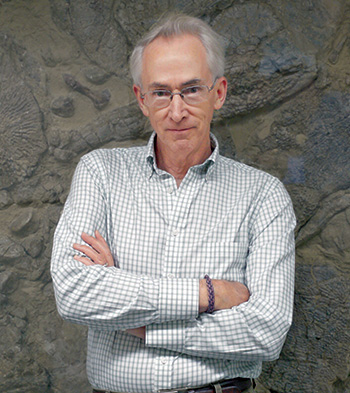
I am a scientist and writer who is lucky to be alive during an important period in the history of ideas. When I entered the field of evolutionary biology in the 1970’s, it was confined almost entirely to genetic evolution. Everything that evolves was portrayed as a form of selfishness. And evolution was emphatically said to have no purpose.
Now, evolution is envisioned as any process that combines the three ingredients of variation, selection, and replication—including the fast-paced changes swirling around us (cultural evolution) and within us (our personal evolution). The evolution of goodness can be explained at face value. And human cultural evolution indubitably has an intentional component.
In other words, to a remarkable extent, we imagine our realities and then bring them into being.
I’m proud to have contributed to this sea change in evolutionary thinking, to have written about it for the general public, and most of all to help “consciously evolve a world that works for all” through my nonprofit organization Prosocial World. Please think of this website as a way to first learn about and then to join me and many others in continuing to evolve a prosocial future.

Introducing ProSocial
A science-based approach integrating previously isolated academic disciplines.
ProSocial World is for activists, idealists, pragmatists, visionaries, and contemplative change agents; in short, anyone who has a prosocial worldview.
It uniquely places the vision of spiritual seekers, who embark on a foundation of the most recent developments in evolutionary science.
Visit ProSocial WorldFeatured Academic Works
Newly Published
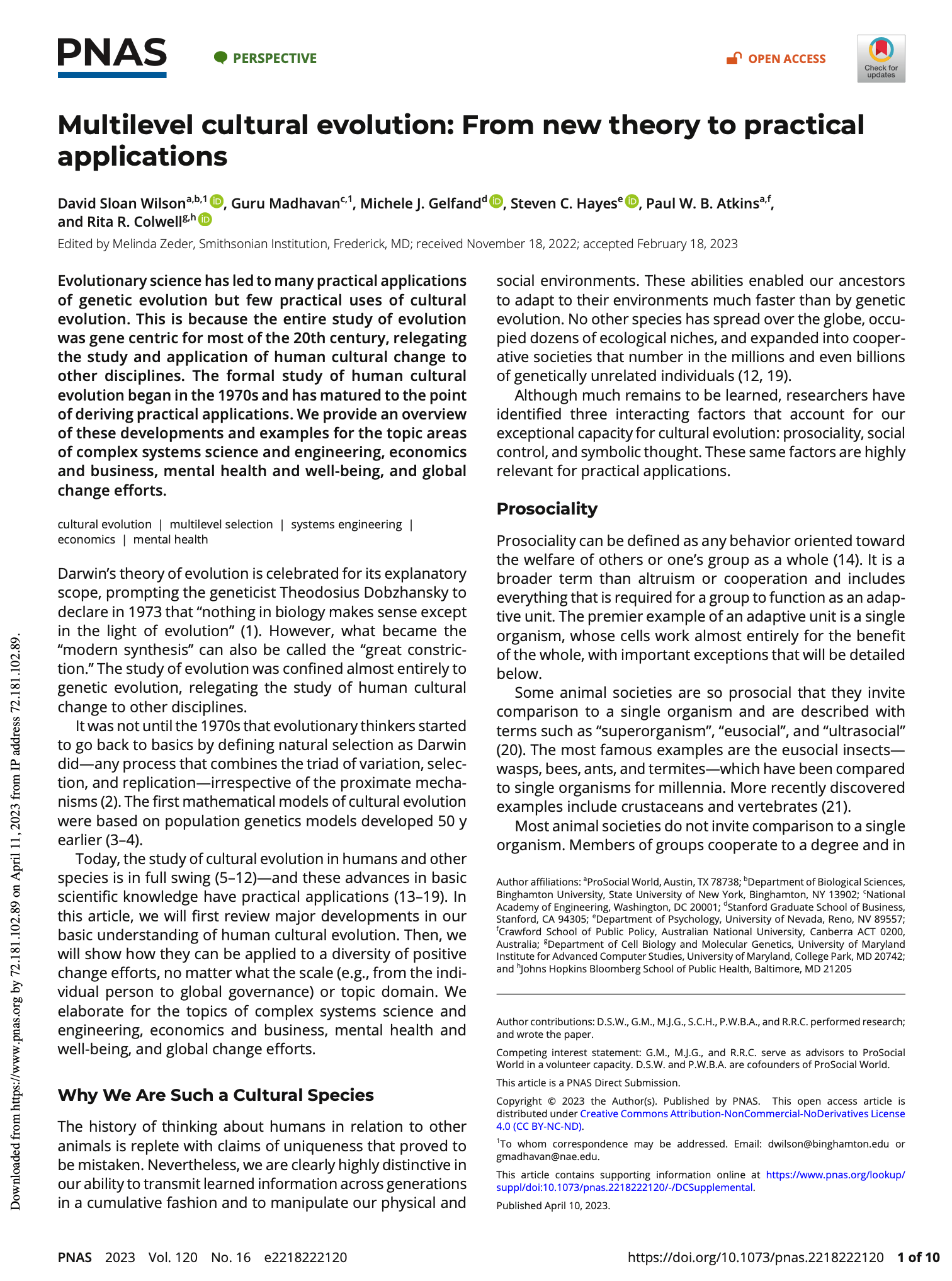
Multilevel Cultural Evolution: From New Theory to Practical Applications
by David Sloan Wilson, Guru Madhavanc, Michele J. Gelfandd, Steven C. Hayese, Paul W. B. Atkins,
and Rita R. Colwellg
"Prosociality evolves not only in the context of physical activities but also in the context of mental activities. What we notice, remember, and decide to do are all fundamentally social activities that take place among trusted others. To be truly alone or surrounded by uncaring others is to be mentally incapacitated."
Other Featured Works

Featured Online Content
The Race to Cooperation with Tristan Harris and Aza Raskin
It’s easy to tell ourselves we’re living in a world where Darwinian evolution drives competing technology platforms and capitalism pushes nations to maximize GDP. It can feel like evolution and competition are all there is.
But what if that’s not the whole story of evolution?
-
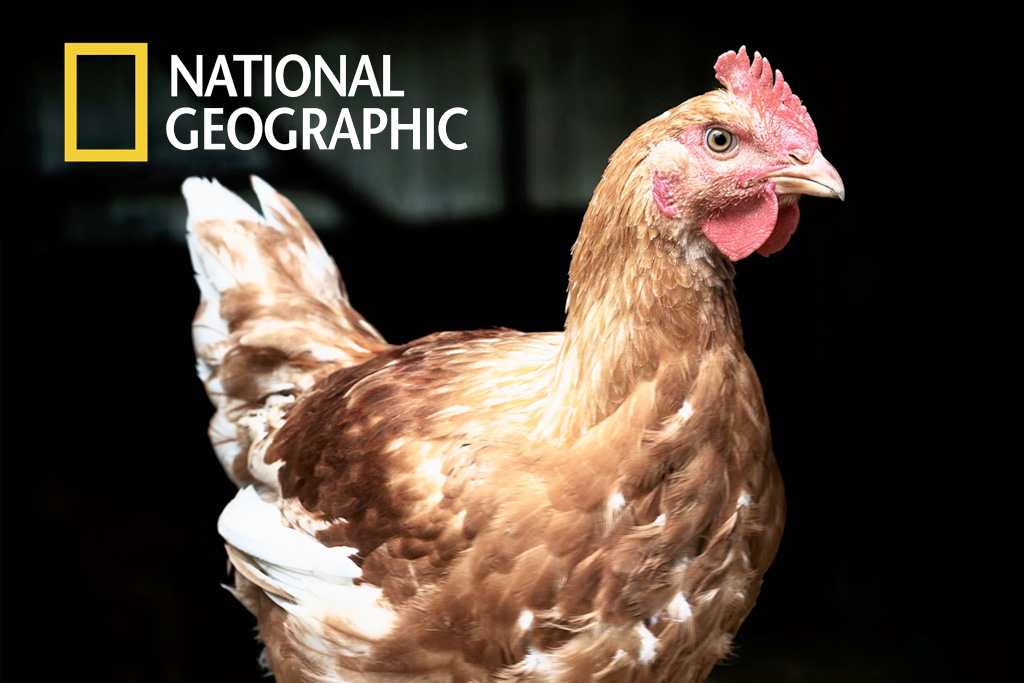
The Problem with Superchickens: Podcast with National Geographic
For decades, I have used a certain experiment on chickens to illustrate multilevel selection theory. This National Geographic podcast brings the chicken experiment to life and weaves several other captivating stories around it. Superb and entertaining!
-
An Evolutionary Economic Paradigm : Podcast with Musing Mind
This podcast provides an accessible and highly informed introduction to my recent article with Dennis Snower titled "Rethinking the Theoretical Foundation of Economics". Highly recommended as a prelude to tackling the article.
-
The Science of the Noosphere
This series of 24 conversations takes a deep dive into major evolutionary transitions, from the origin of life to the future of the Internet Age.
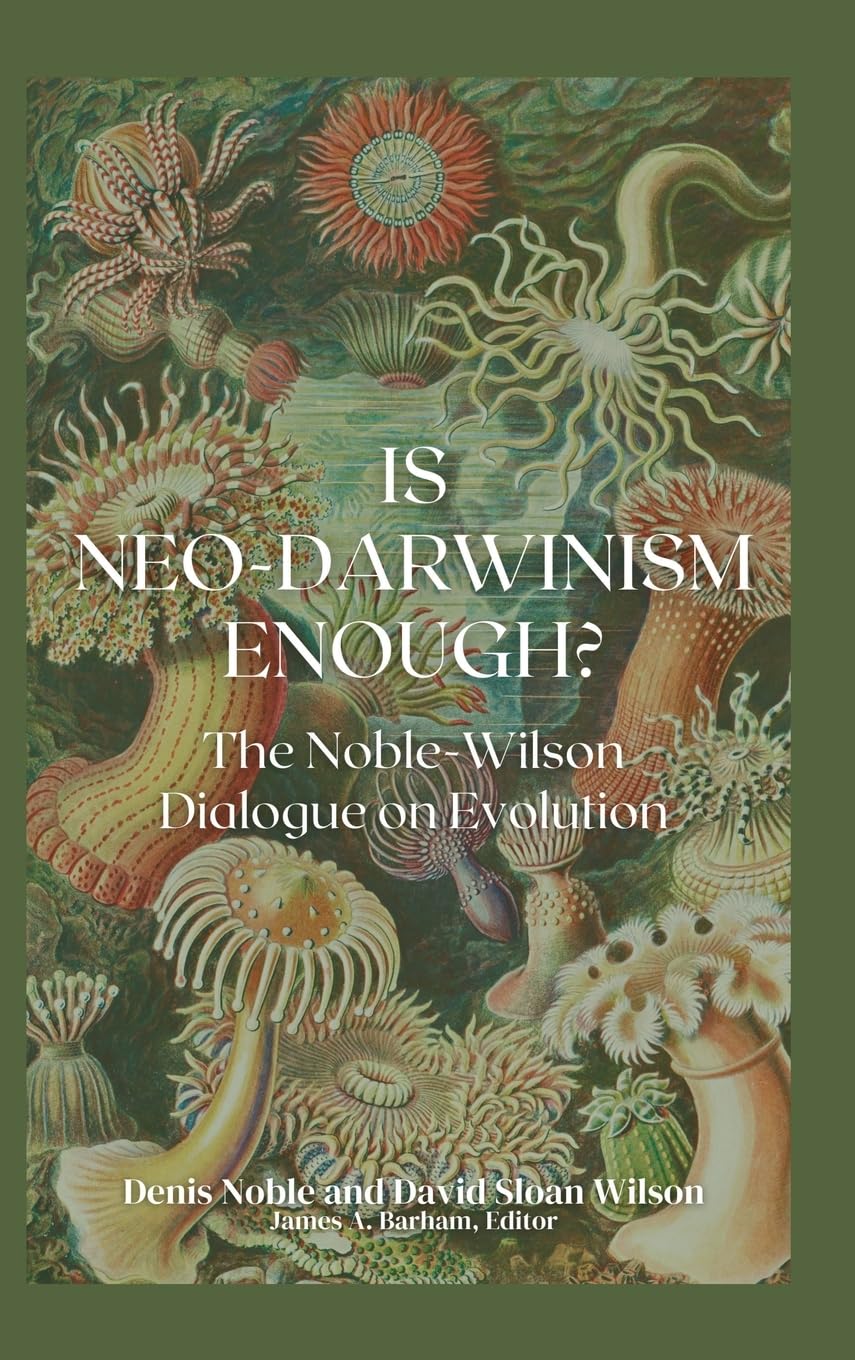
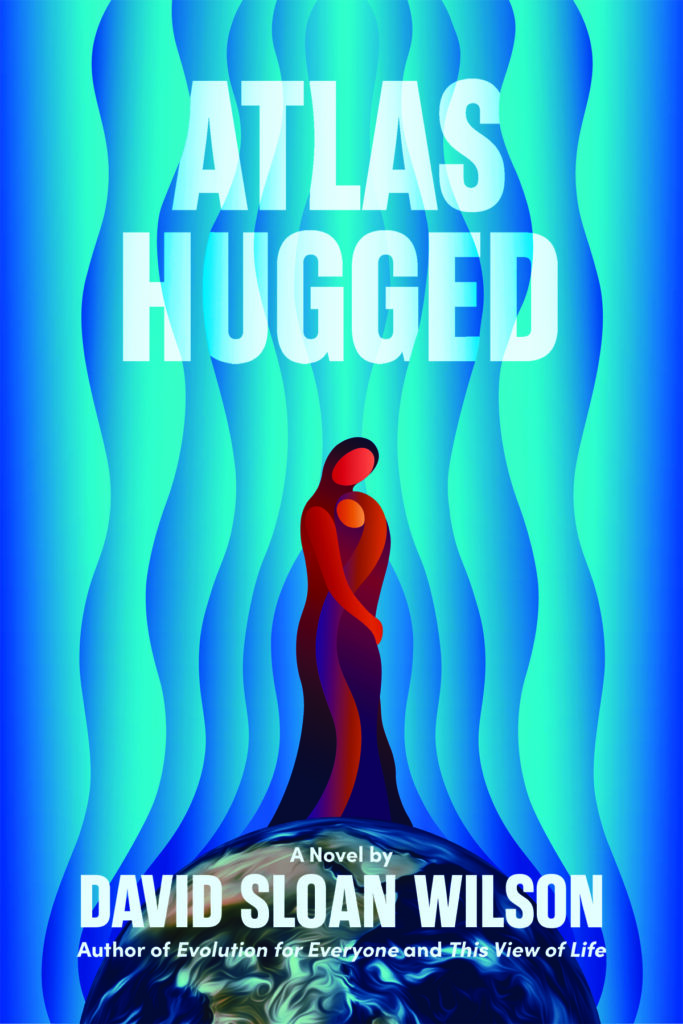
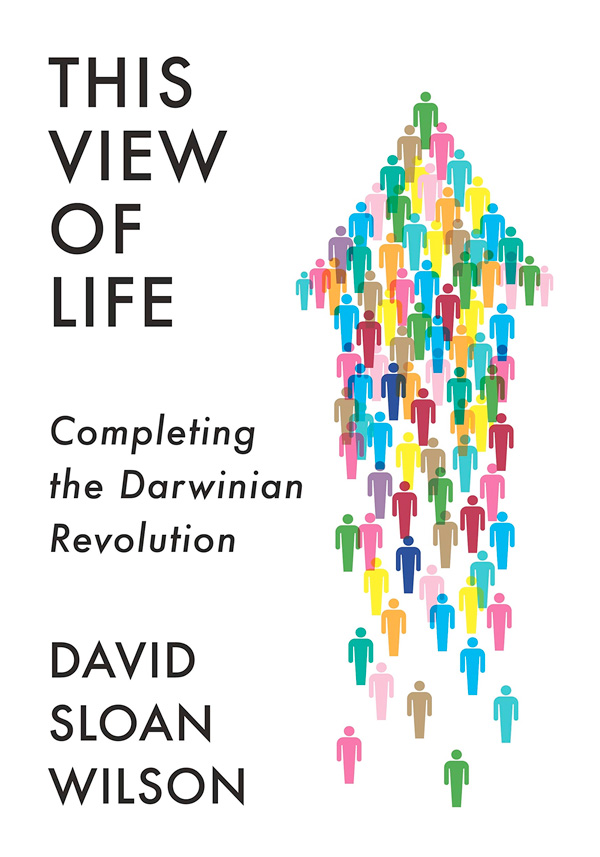
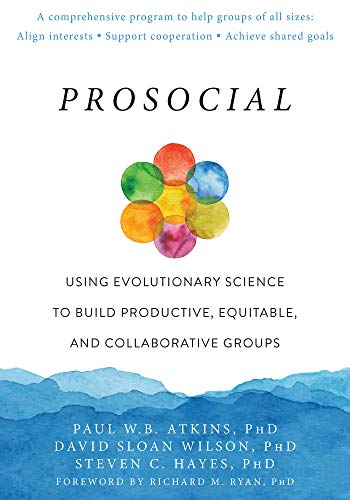
Evolution of the Heart
On July 6th, 2021 Mind & Life honored the Dalai Lama’s birthday with the release of “Evolution of the Heart.”
The 37-minute film chronicles conversations between the Dalai Lama, evolutionary biologist David Sloan Wilson, and social scientist Pumla Gobodo-Madikizela. The film emerged from a 2019 Mind & Life event, “Conversations on Compassion, Interconnection, and Transformation,” held in Dharamsala, India.